(Posted on WriteStats, February 28, 2026)
Who Is Kathleen Jones?
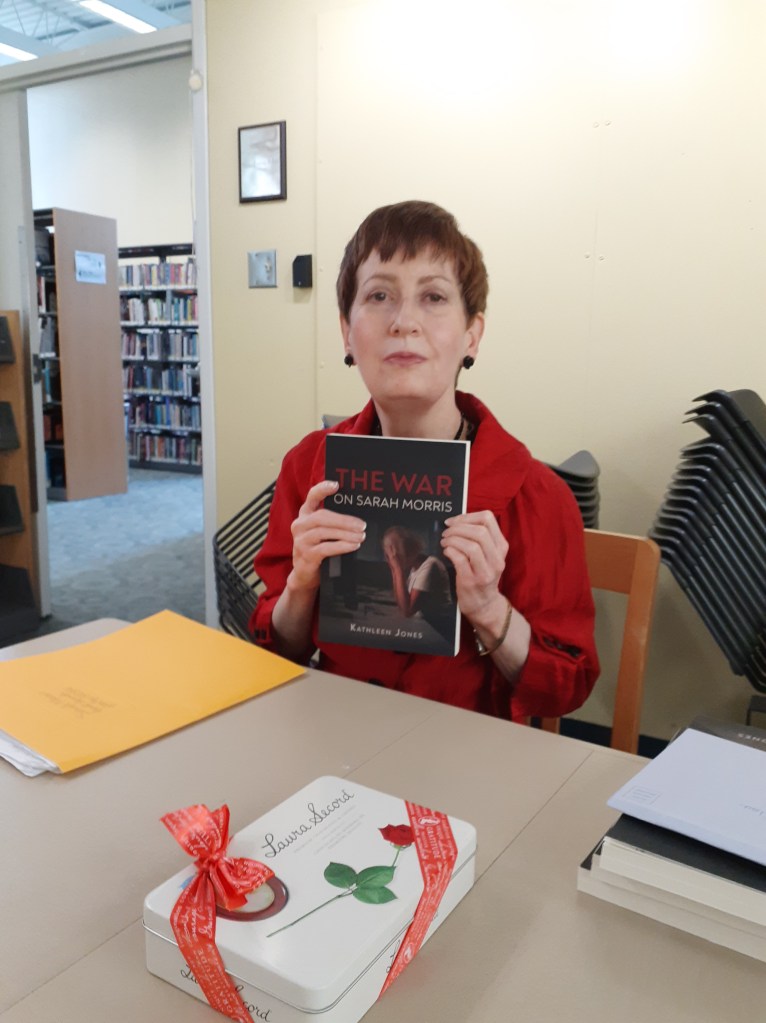
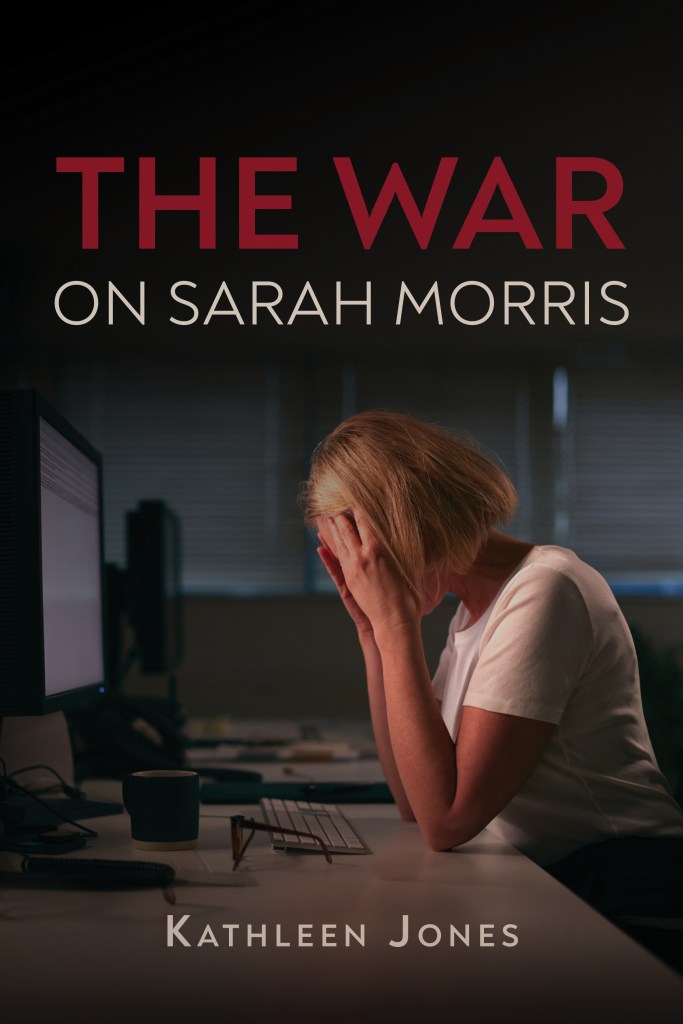
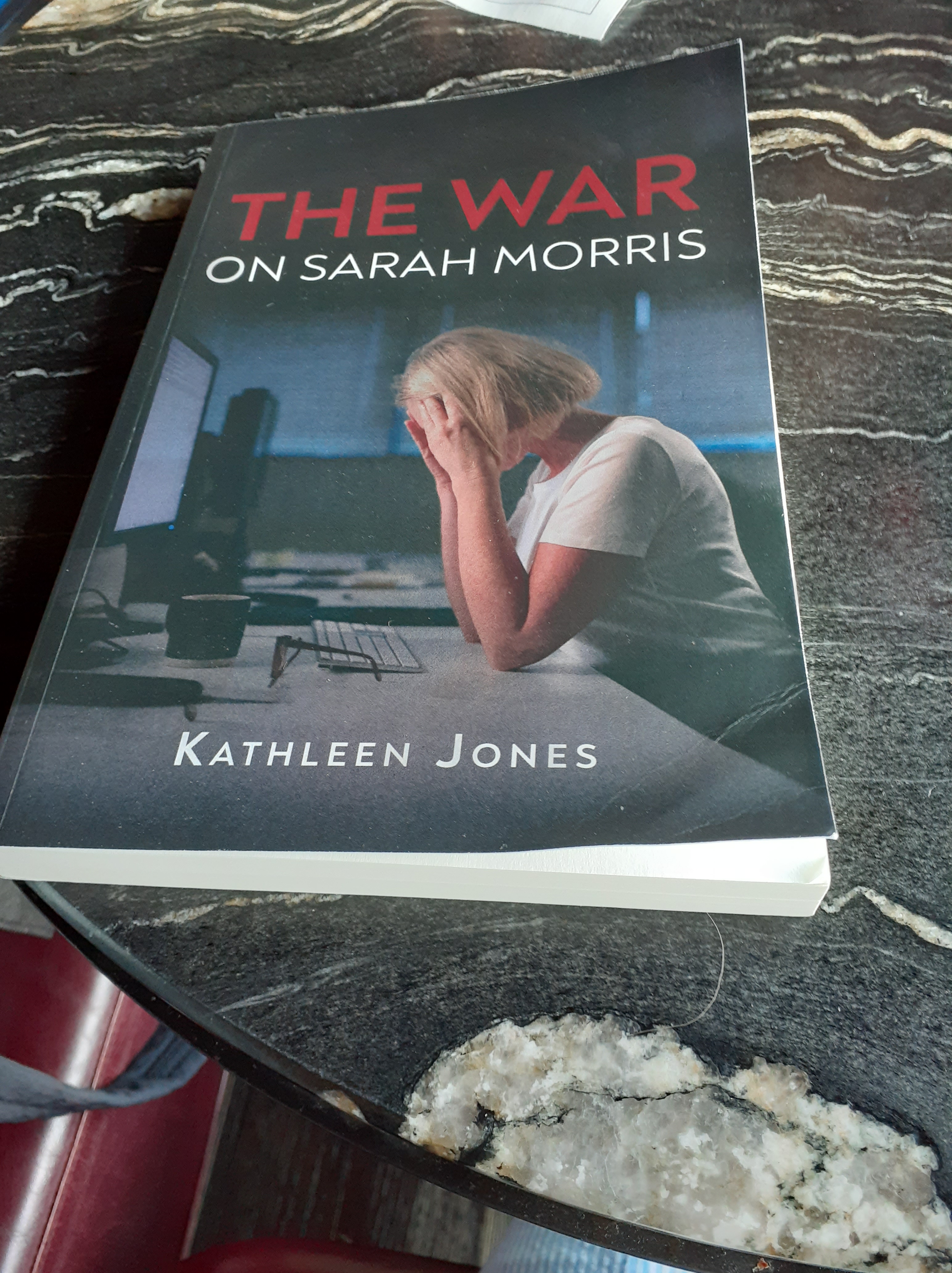
Kathleen Jones is a Toronto-based novelist, corporate-world survivor, and self-described “lover of words who writes from the heart.” Born on February 15, 1960, in Canada, she has published two novels to date: Love Is the Punch Line (2018) and The War on Sarah Morris (2024).
Her fiction explores midlife reinvention, workplace tension, identity, and resilience, themes that feel especially timely in an industry where authors are increasingly navigating both creative fulfillment and economic uncertainty.
Before becoming a full-time author, Kathleen Jones spent decades in the corporate publishing world. Today, as a retiree who writes not to pay the bills but to tell meaningful stories, she represents a growing cohort of writers redefining what “author success” looks like.
In this WriteStats Author Interview, Kathleen Jones reflects on her creative beginnings, her small press publishing experience, her stance on AI in publishing, and the realities of promoting books in today’s market.
Kathleen Jones: A Writer Since Grade 2
When we asked Kathleen Jones how her writing journey began, her answer was refreshingly simple:
“I always loved writing stories when I was a child. My grade 2 teacher felt that I had talent, and she encouraged me to write.”
Encouragement at an early age is a recurring pattern in author development. Industry surveys consistently show that many published novelists trace their creative confidence back to childhood validation. In Kathleen Jones’ case, that early affirmation planted a seed that would later grow into a full creative career.
Equally significant is what influenced her most:
“My love of books. I’ve always been a voracious reader. Even when I was young, I usually preferred to spend my free time reading rather than watching TV.”
This insight aligns directly with broader publishing data: prolific readers are disproportionately represented among career novelists. Reading builds narrative intuition, genre awareness, and stylistic range. Kathleen Jones’ path reinforces what we’ve observed across interviews: the writers who endure are often readers first.
Writing as Play: Creativity in a Metrics-Driven Industry
When writing becomes difficult, Kathleen Jones reframes the challenge:
“I try to remind myself that writing should be fun. I try to tap into my love of ‘make believe.’”
This perspective is particularly powerful in an era when authors are pressured to think about algorithms, metadata, SEO, and platform growth. While analytics matter, and they do, sustainable creativity still depends on joy.
Interestingly, Kathleen reads an average of eight books per year, a number lower than many full-time authors report. However, what stands out isn’t volume but intentionality. Her reading life fuels her writing life.
She also keeps her tech stack straightforward:
“I use a Mac computer and WordPerfect software.”
In a publishing ecosystem crowded with AI drafting tools and content automation platforms, Kathleen Jones remains analog in spirit. That choice becomes even more significant when we discuss her stance on artificial intelligence.
Kathleen Jones and Small Press Publishing
One of the most revealing aspects of this Kathleen Jones author interview concerns her publishing path.
When asked how she selected her publishing platform, she clarified:
“I didn’t pick the publishing platform. Both of my novels were released by small press publishers; they picked the platforms to publish them.”
This distinction matters.
Unlike self-published authors who control distribution channels directly, Kathleen partnered with small press publishers. However, she maintained creative agency during production:
“Both of my publishers were supportive. They gave me final say on editorial changes to my manuscripts, let me hire a cover designer, and provided some information on how my books could be promoted.”
This hybrid dynamic, publisher infrastructure with author autonomy, reflects what many writers say they want from publishers. In fact, our analysis in What Authors Want from Publishers: The Data-Backed Reality shows that creative control and collaborative editorial relationships consistently rank above large advances for many midlist authors.
Moreover, Kathleen invested personally in quality:
“I hired a substantive/line editor, a copy editor, a proofreader, and a cover designer.”
This layered editorial process demonstrates a professional mindset. Even with publisher support, she ensured her books met industry standards.
Would she recommend her publisher to other writers?
“Yes.”
Promoting Books: The Real Challenge
When asked about her biggest challenge as a writer, Kathleen Jones didn’t hesitate:
“My biggest challenge is promoting my books. It’s very time consuming. I deal with it by budgeting an hour or so every week for book promotion.”
Promotion fatigue is one of the most consistent pain points in author surveys. Our income analysis in How Much Do Authors Make? (2026 Data-Driven Look at Author Income Statistics) reveals that marketing capacity often correlates more strongly with earnings than craft quality alone.
Kathleen’s strategy, budgeting one hour per week, reflects discipline without burnout. It also reflects her financial position:
“I am a retiree. I don’t depend on writing to pay the bills.”
This is significant. Authors who don’t rely on book income often experience greater creative freedom but may invest less in aggressive marketing strategies. The publishing industry increasingly contains multiple economic models: full-time earners, hybrid professionals, retirees, and passion-driven storytellers.
Kathleen Jones embodies one of those models: the financially independent full-time author.
Kathleen Jones on AI in Publishing
Few topics divide authors more than artificial intelligence. Kathleen’s position is clear:
“I am against using AI tools.”
“I don’t like AI. It has the potential to interfere with a writer’s work.”
Her stance reflects a broader tension in the publishing industry. While AI tools are increasingly used in editing, cover design, analytics, and marketing, many writers fear erosion of originality and creative ownership.
This is not merely a technological debate; it’s philosophical. Kathleen Jones frames writing as “make believe,” as heart-led storytelling. From that perspective, automation can feel intrusive.
Yet the industry continues to evolve. The critical question isn’t whether AI will exist in publishing—it already does—but how authors will define their boundaries with it.
Legacy, Loneliness, and Literary Purpose
Perhaps the most powerful moment in this Kathleen Jones interview comes when she speaks about legacy:
“I hope that readers will relate to the characters and, since my novels deal with problems faced by many people, that they will feel less alone and more understood.”
This statement cuts through every metric.
Ultimately, publishing isn’t about platform size or algorithm optimization. It’s about connection. Kathleen Jones writes about workplace identity, discrimination, reinvention, and resilience. themes that resonate deeply in a rapidly changing labor market.
Her upcoming project continues that trajectory:
“My upcoming novel is a feminist-themed ghost story set in the 1980s.”
A feminist ghost story signals both genre experimentation and cultural commentary. The 1980s setting suggests historical reflection layered with social critique, a compelling direction for readers interested in intersectional storytelling.
What Kathleen Jones Teaches Us About Modern Authorship
Kathleen Jones represents a category of author often overlooked in high-velocity publishing discourse:
- A writer shaped by early encouragement
- A lifelong reader turned novelist
- A corporate professional turned full-time creative
- A small press author who values editorial autonomy
- A retiree who writes for meaning, not survival
- A skeptic of AI in creative work
Her journey also intersects with data-backed publishing realities:
- Authors crave creative control.
- Promotion is the most time-consuming challenge.
- Financial models vary widely.
- Legacy still matters more than virality.
As we explored in Author Vision Board Goals 2026: Data-Driven Analytics for Writing Success, long-term fulfillment increasingly ranks higher than short-term visibility for career-sustaining authors.
Kathleen Jones’ career reinforces that insight.
She writes because she loves books. She continues because storytelling is fun. She hopes readers feel less alone.
In a publishing ecosystem increasingly quantified by dashboards and performance metrics, that clarity of purpose may be her most powerful asset.
Final Thoughts
The story of Kathleen Jones is not one of overnight fame or algorithmic dominance. Instead, it is a story of endurance, craft, and emotional resonance.
Her books explore identity and resilience. Her upcoming feminist ghost story promises thematic boldness. Her publishing experience reflects collaboration without surrendering creative voice.
And above all, her words remind us why authors write in the first place.
Because, as Kathleen Jones demonstrates, even in a data-driven industry, the heart still matters.



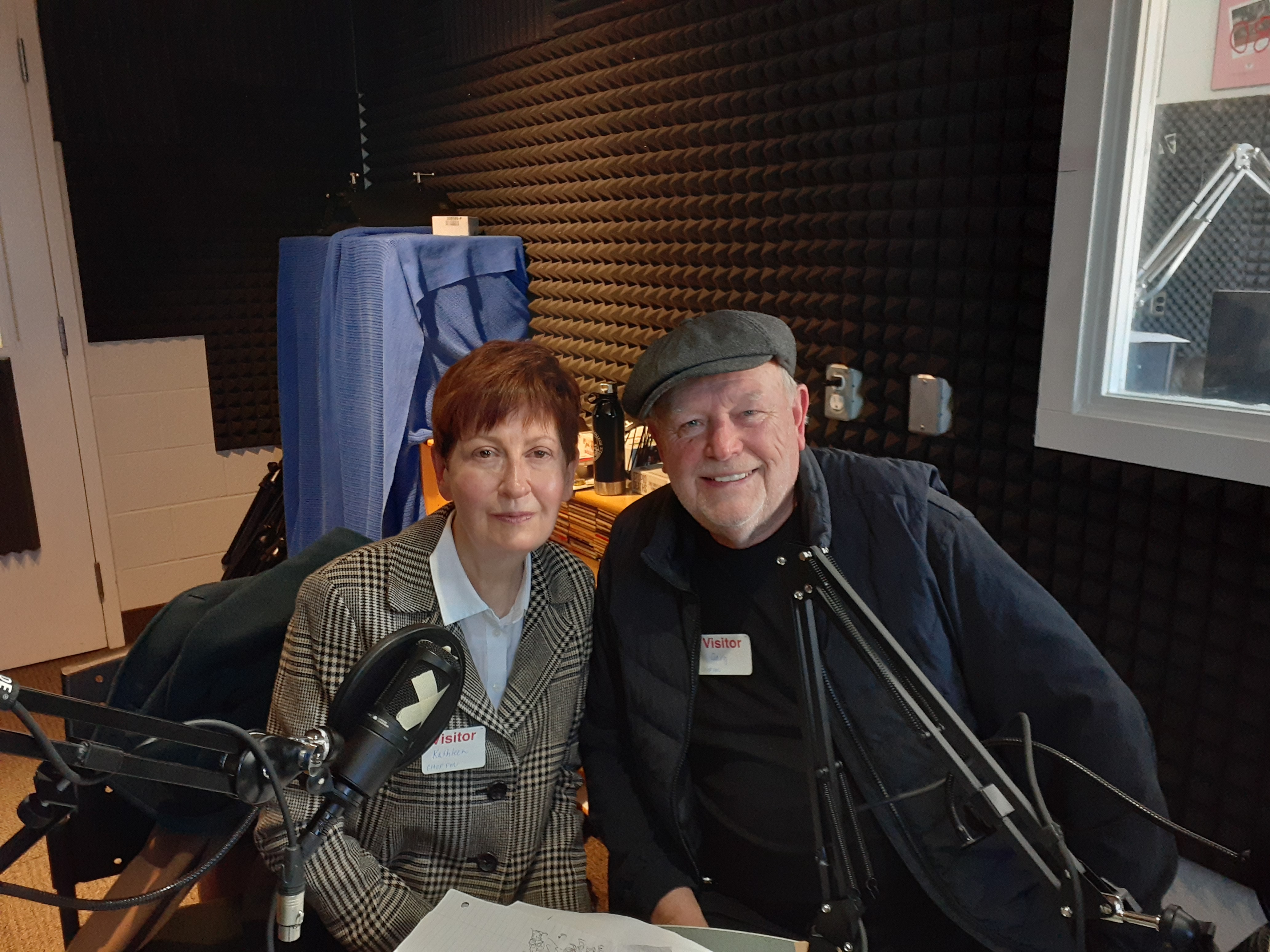
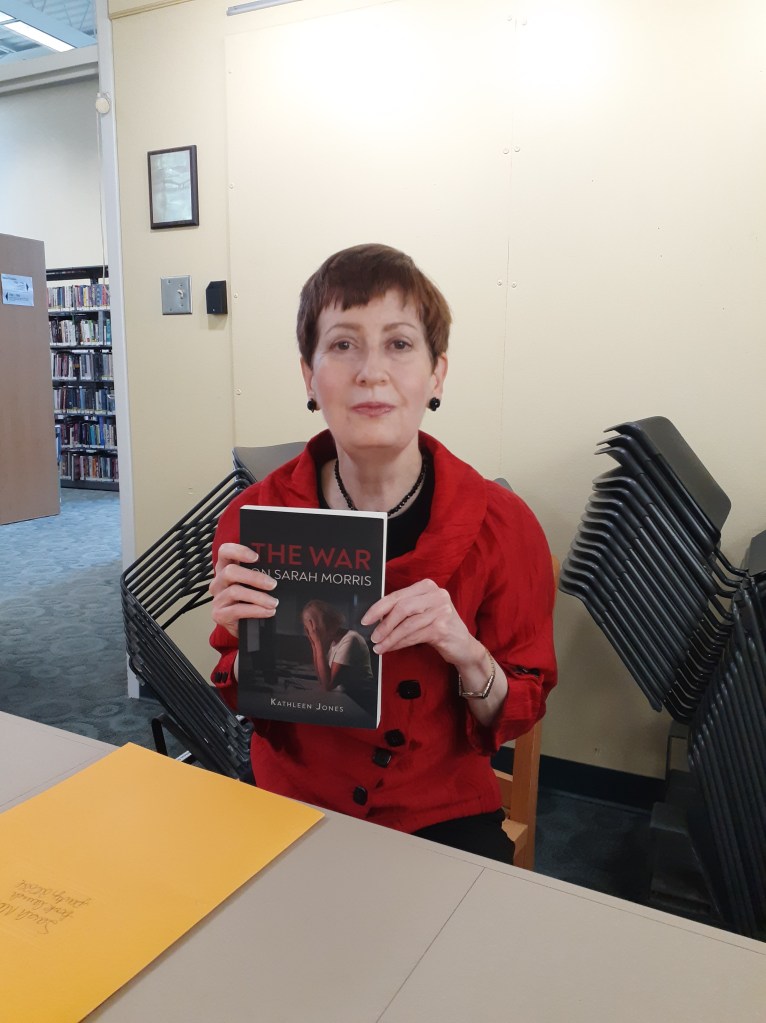
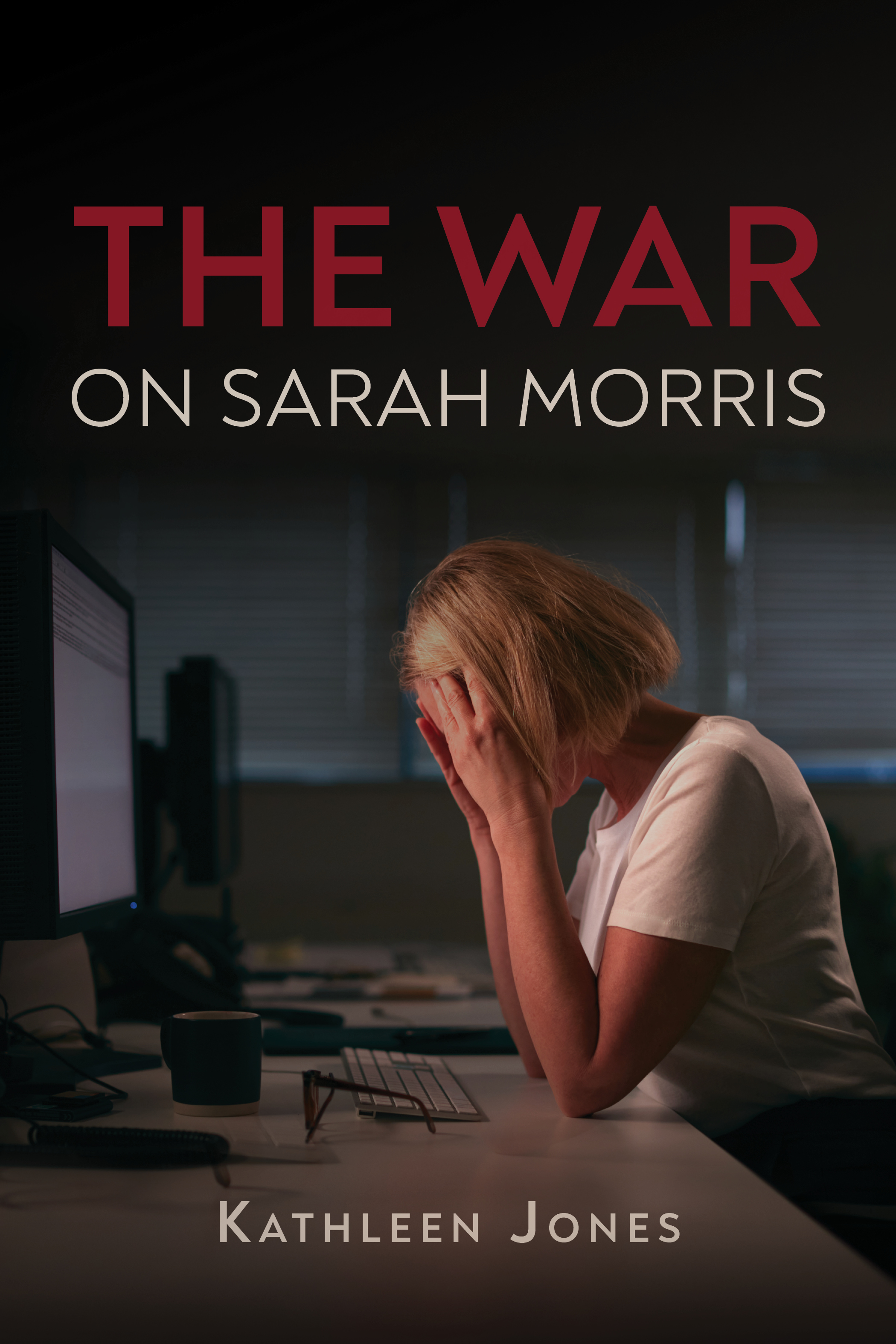


 Kathleen Jones, The Quirky Novelist